Oct 23, 2025
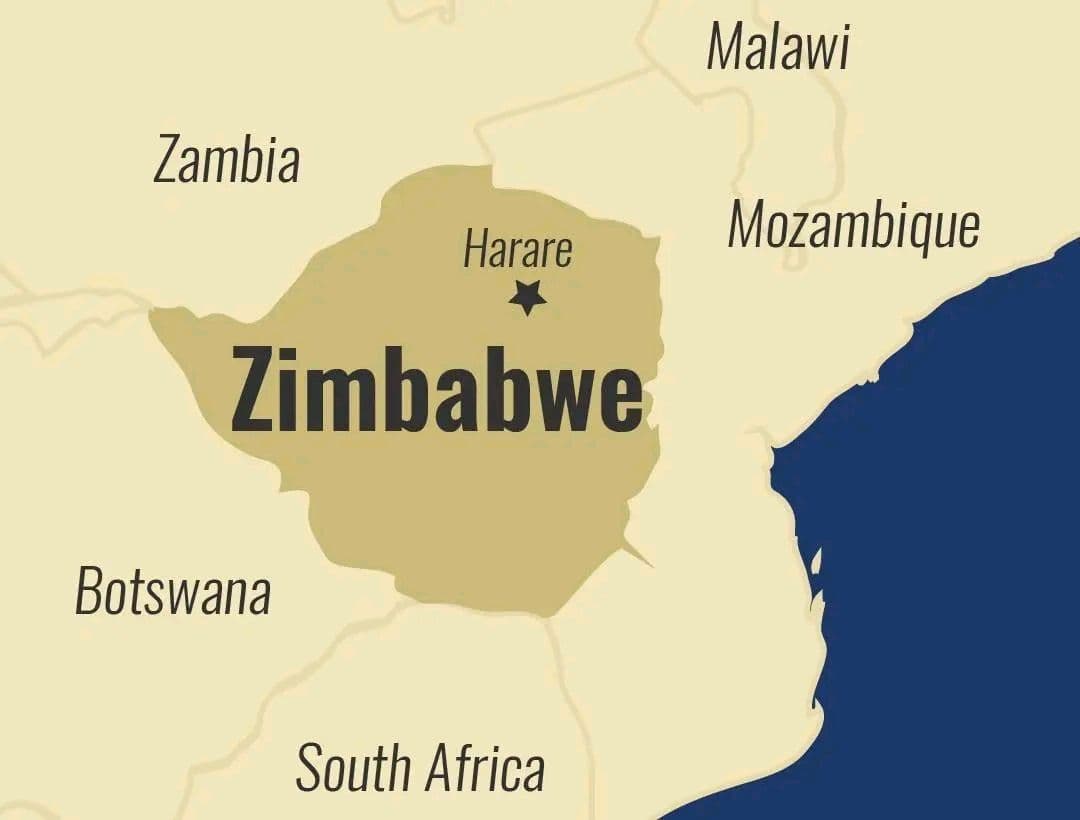
The Government of Zimbabwe has officially opened the electricity distribution and retail sector to private participation, a landmark reform aimed at expanding access to power, improving efficiency, and attracting new investment to modernize the country’s energy infrastructure.
Announced by the Zimbabwe Energy Regulatory Authority (ZERA) on Thursday, the policy shift marks a major step in the government’s efforts to achieve universal access to electricity by 2030, in line with national goals outlined under Vision 2030 and the National Development Strategy 1 (NDS1).
According to ZERA, the liberalisation of the electricity retail space will allow private companies to operate alongside the Zimbabwe Electricity Transmission and Distribution Company (ZETDC), which has long held a monopoly over the sector. This move is designed to enhance service delivery, attract investment into power infrastructure, and decentralise electricity supply, particularly to under-served and newly developed residential areas.
“The Government of Zimbabwe has approved the participation of private players in the retailing and distribution of electricity to consumers, to complement ongoing efforts to achieve universal access to electricity by 2030,” ZERA said in a statement.
Under the new framework, private companies will be licensed to distribute and retail electricity, focusing on improving efficiency in the supply of power to households and businesses. The reform also encourages investment in secondary electricity distribution infrastructure in line with Section 44 of the Electricity Act, promoting innovation and competition in the sector.
ZERA stated that new investments are expected to facilitate faster infrastructure development, reduce financial strain on the government, and support the integration of renewable energy sources into the national grid. To qualify, potential licensees must demonstrate both technical expertise and financial capacity to develop, operate, and manage electricity distribution systems in compliance with Zimbabwean laws and regulatory standards.
The move comes as Zimbabwe continues to grapple with persistent electricity shortages caused by ageing infrastructure, insufficient generation capacity, and rising demand from a growing economy. These challenges have led to load-shedding, higher production costs for industries, and limited access to power in rural and peri-urban areas.
Energy remains central to Zimbabwe’s economic growth and industrialisation drive. Reliable power is essential for key productive sectors such as mining, agriculture, and manufacturing, as well as for essential public services including health, education, and water supply.
By opening up electricity distribution to private players, the Zimbabwean government aims to unlock private capital, expand national coverage, improve reliability, and advance the country’s long-term goal of providing affordable, sustainable energy for all by 2030.